Tuesday, January 06, 2026

2024: My Favourite New Films

I am finally getting round to posting about my favourite things of 2024. You can see the last post in this series here or all of them here. Now I turn to my favourite new films of the year before last.

Since Yesterday: the Untold Story of Scottish Girl Bands (Blair Young & Carla J. Easton)

An enjoyable film about Scottish all-women/girl bands, of which there were not too many.

Made in England: The Films of Powell and Pressburger (David Hinton)

Directed by David Hinton but it feels Martin Scorsese is the auteur here. Not only does he narrate this film about the British film-makers, he also talks about his own relationship to their films (and to Michael Powell personally) as well as their influence on his own film-making.

Devo (Chris Smith)

Useful documentary about the Akron band that never mentions their Subgenius links while nevertheless making them abundantly clear to anyone "in the know".

Sidonie au Japon (Élise Girard)

A rare non-depressing film starring Isabelle Huppert, in which she plays an author on a promotional tour of Japan who finds herself being haunted by her recently deceased husband except it's more about her coming to terms with her grief than a ghost story as such. Surprisingly funny.

City of Wind (Lkhagvadulam Purev-Ochir)

A teenage boy in Ullan Bator has to grapple with normal adolescent stuff while also being a shaman who helps people engage with the spirit world. The film leaves somewhat open whether all this shaman stuff is charlatanry, with the protagonist giving the impression he is none-too-sure either.

I Saw the TV Glow (Jane Schoenbrun)

Two misfits bond over love of a YA fantasy TV series that they start taking way too seriously. Schoenbrun's films are often seen as trans-allegories, and I get it, there is some gender-identity stuff going on here, but this felt more like it was about neurodivergence and obsessive fandom generally.

Crossing (Levan Akin)

A woman travels with a gormless young lad from Georgia (polyphonic singing, not banjos) to Istanbul in search of her trans niece who has moved there and disappeared.

Dune 2 (Denis Villeneuve)

They love that spice.

Soundtrack to a Coup d'Etat (Johann Grimonprez)

As previously discussed, this is that documentary about jazz in the cultural Cold War and the shameful overthrow and murder of Patrice Lumumba, the Congo's first prime minister.

About Dry Grasses (Nuri Bilge Ceylan)

Another long Ceylan film about people in the Anatolian sticks, in this case about a not-particularly likeable teacher who finds himself accused of inappropriate behaviour by a female student. Film should have people from the Turkish Tourist Board signing you up for holidays as you leave the cinema.

Perfect Days (Wim Wenders)

He cleans toilets, he listens to cassettes, he gets on with life, he is reminded of past unpleasantness. Previously reviewed.

The Zone of Interest (Jonathan Glazer)

The bad thing is already happening. You can't see it but you hear it in the distance.

The Zone of Interest image source (An Táin Arts Centre)

Monday, January 05, 2026

2024: My Favourite Newly Discovered Old Songs

It's just possible there is someone out there who would like to read about old songs I heard for the first time in 2024. If so, this is for you.

My last post discussed a compilation I made of my favourite new tunes of 2024. I also made a compilation of tracks from before 2024 that I heard for the first time last year. Join me as I talk you through the tracks. Many of them are from 2023, illustrating yet again how I am often slightly behind the curve. I have also made a Spotify playlist of these tracks, but it is missing one key tune.

Peter Gabriel "No Self Control" (1980) (from the Ace Records compilation Fantastic Voyage - New Sounds For The European Canon 1977-1981)

So yeah, Peter Gabriel, he's very famous. I know some of his Genesis stuff and I remember when he had big hits with songs like "Sledgehammer" from the So album but I am not really familiar with his earlier solo material, for all that I know people like it. This track is from a compilation of music supposedly influenced by David Bowie's Berlin records. I like how edgy it sounds, with the recurring line "I don't know how to stop, I don't know how to stop" becoming quite disturbing when coupled with "You know I hate to hurt you, I hate to see your pain". Also there is the savage Phil Collins drumming.

Decisive Pink "What Where (2023)" (from Ticket To Fame)

Decisive Pink are a weirdo pop duo comprising Angel Deradoorian and Kate NV. Deradoorian was previously in Dirty Projectors and NV wasn't. They played at Le Guess Who in 2023 and I thought they might be worth seeing but couldn't get to them. That's probably all you need to know.

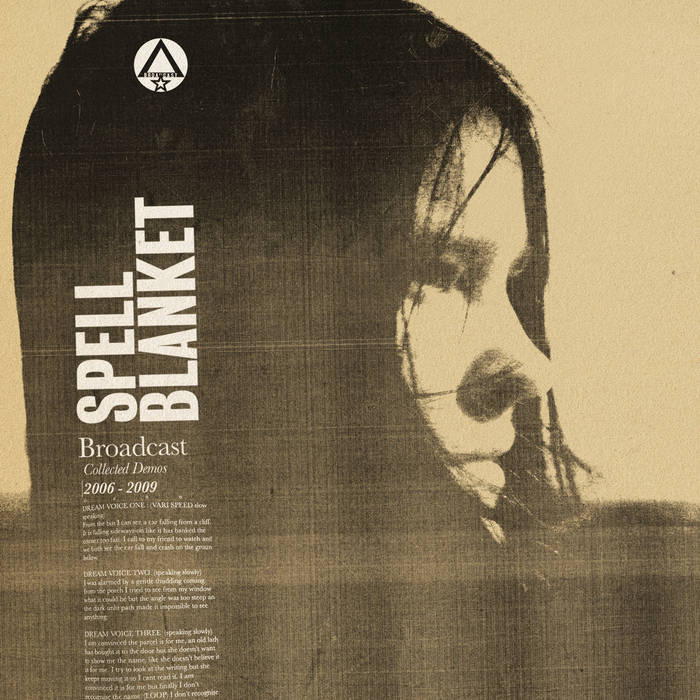
Broadcast "Roses Red" (from Spell Blanket - Collected Demos 2006-2009)

This collection of demos was released last year but I'm including this track in my collection of not-2024 songs on the basis that it was recorded a long time ago. I still feel sad thinking about Trish Keenans' passing.

Orion Rigel Dommisse "Hewn" (2014) (from Omicron)

This track appears on an album released by that Italians Do It Better record label of that guy from Chromatics. Now, the typical non-Chromatics IDIB record is released by a female artist singing in a Europorn accent to a heavily electronic accompaniment, but this one appears to be by someone for whom English is their first language making music a bit less electronically focussed than that of her IDIB stablemates. She doesn't seem to have released very much since the album this came from but investigation reveals that she is playing gigs supporting other IDIB artists so maybe she will release something new soon.

Miles Davis "One And One" (1972) (from On the Corner)

Some years ago I spent all day in the Irish Museum of Modern Art watching the Stan Douglas video art exhibit Luanda-Kinshasa, which aimed to replicate the feel of mid-1970s Miles Davis recording some fusion record in a studio. The music in it was so great that I became keen to listen to more of the Miles Davis tunes that had inspired it so I initially picked up a copy of Bitches Brew, but it wasn't quite the same (plus my cat actively hated it). Someone mentioned however that his album On the Corner is more like what I had described Luanda-Kinshasa as sounding like, so I picked up a copy and yes it is. It is also a pretty crazy record and you can imagine all the oldschool jazzers being all "I may be broadminded but FUCK THIS SHIT".

Grauzone "Eisbär" (1981) (from the Ace Records compilation Fantastic Voyage - New Sounds For The European Canon 1977-1981)

Another track from that compilation of Berlin Bowie influenced sounds. Who among us has not wished they were a polar bear?

Model/Actriz "Slate" (2023) (from Dogsbody)

Another act I missed at Le Guess Who 2023. Someone bigged them up to me and I bought the album because I am impressionable.

Meljoann "O Supervisor" (2021) (from H.R.)

Another home-made R&B classic from the massively successful alternate universe pop star. It also has a typically bonkers home-made video that I encourage readers to check out.

The Crystal Teardrop "Nine Times Nine" (2023)

The Crystal Teardrop, neo-psych sensations and cat fanciers.

Acid Mothers Temple & The Melting Paraiso U.F.O. "Crystal Sun and Silver Moon" (2023) (from Shall We Return to Outer Space?)

Everyone loves Acid Mothers Temple apart from a number of people whose unsound opinions have been registered with the proper authorities.

Not on Spotify, so follow the link to Bandcamp to hear the track.

Valentina Goncharova (feat. Alexander Aksenov) "Reincarnation II" (from Recordings 1987-1991, Vol. 2 )

An odd piece of contemporary classical adjacent music from the interesting Ukrainian label Muscut.

Natalia Beylis "Afloat In Fog And Feathers" (2023) (from Mermaids)

Natalia Beylis has become a powerhouse figure in Irish experimental music. I came into her orbit through the Hunters Moon festival, which she was involved in organising, but it is only in more recent years that I have come to appreciate what an astonishingly impressive artist she is.

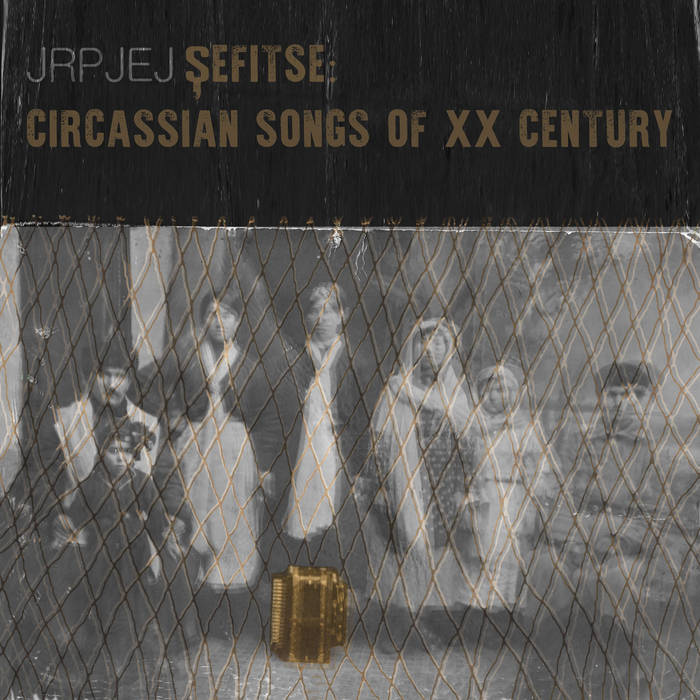
Jrpjej "Quedzoque Tole Tsık’u (Altıdoquehe Dolet tsık’u yi wored)" (2023) (from Şefitse: Circassian Songs of XX Century)

Jrpjej are ethnic Circassian musicians from Russia, although I think they skipped out of there following the commencement of the unpleasantness. The album this track comes from was released on 21 May 2023, the day on which Circassians commemorate the massacres and ethnic cleansing inflicted on their kinfolk in the late 19th century, an event sometimes characterised as the Circassian Genocide.

Alasdair Roberts, Amble Skuse & David McGuinness "The Fair Flower Of Northumberland" (2018) (from What News)

"The Fair Flower of Northumberland" is one of those well known folk tunes and I have heard a good few different versions of it (including one by the Unthanks). This sees Roberts singing while McGuinness plays piano and Skuse provides mysterious electronic treatments.

Rachel Unthank & The Winterset "I Wish" (2007) (from The Bairns)

This is another olde folk tune from the early Unthanks album I mentioned in the last mailing. I think this is another song a lot of people have sung.

ØXN "The Trees They Do Grow High" (2023) (from Cyrm)

And finally we have this widely performed traditional tune, here by weird folk supergroup ØXN, with Katie Kim on lead vocals.

Cyrm image link

Sunday, January 04, 2026

2024: My Favourite New Songs

Back at the start of 2025 I made a compilation of my favourite new songs of 2024. I shared it with some of my music fan buds. Now at last I am writing about it here. If you would like a copy and are not someone who is going to shop me to the copyright cops, let me know.

I created a Spotify playlist of these tunes, but some of the best ones are not to be found on that evil platform.

Asmaa Hamzaoui & Bnat Timbouktou Lalla Aicha 1 (from L´Bnat)

This is gnawa music from Morocco, which I understand to be a form of devotional music associated with the somewhat mystical Sufi strain of Islam. This lot are apparently unique in that they are all women, with gnawa music usually a male preserve. I saw them performing at Le Guess Who in Utrecht and was very taken with their call-response vocals, odd percussion, and Hamzaoui's playing of the sintir, which has a sound highly reminiscent of the Ethiopian bèguèna (as heard on Éthiopiques Vol. 11: The Harp of King David)

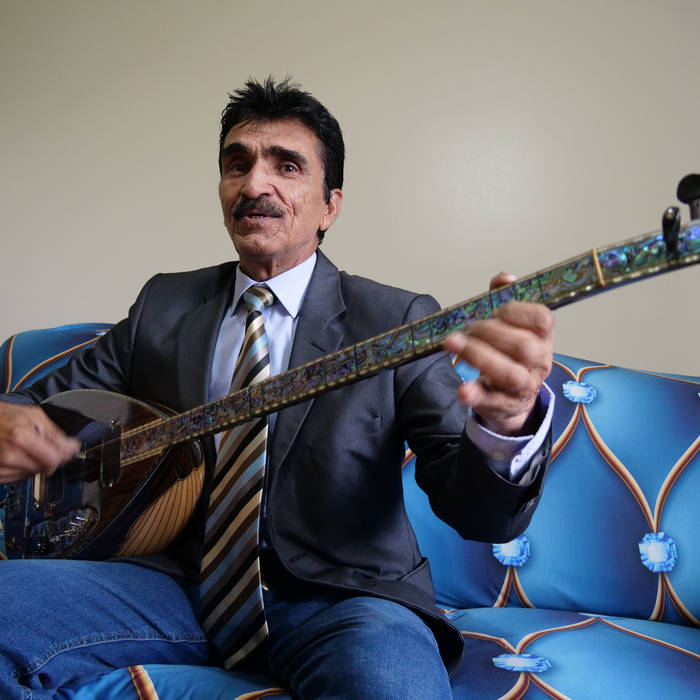
Mohammad Syfkhan Do You Have a Lover or Not? (from I Am Kurdish)

Syfkhan is an Irish based Kurd from Syria. He sings and plays the bouzouki to a programmed accompaniment. Not completely different to the music of Omar Souleyman (also a Syrian Kurd). While the live bouzouki forces things to be a bit less frenetic than with Souleyman, this will still have you bopping around your kitchen.

Mohammad Syfkhan is not on Spotify. This track is a total banger so I urge you to check it out on Bandcamp.

Deradoorian Digital Gravestone

I get it, it sounds a bit like Can's "Mother Sky". Angel Deradoorian used to be in the Dirty Projectors but left them at around the time people stopped being interesting in that band. She releases music on her own but also as half of Digital Pink. I think this is a taster for a forthcoming album and the lyrics might reference the Armenian Genocide, a horrendous event occurring around the time of the First World War (Deradoorian is herself of Armenian background).

Throwing Muses Drugstore Drastic

Fucking hell are Throwing Muses still going? This is another taster for an approaching album and I would be surprised at how strong this sounds if their last album (2000's Sun Racket) had not been a complete belter.

The Crystal Teardrop Running Out Of Time

Psych revivalists, but good.

Jane Weaver Love In Constant Spectacle (from Love in Constant Spectacle)

Title track from the divine Jane's wonderful recent album.

Maria Somerville Projections

I heard this on the radio and thought "I'd buy that piece of engaging neo-shoegaze for a dollar." Apparently Irish artist Somerville has been around for a while and released at least one mini-album but people are excitedly looking forward to the new album for which this is another taster.

Mary & The Pigeons Charcoal Wings (from Like Water)

In Stoneybatter there is this guy who feeds pigeons in front of his house, which has led to a division of opinions. The pigeons are generally in favour of his generosity, as are members of the rodent community, but quite a few human residents of the local area are hostile. Mary Barnecutt however is on team pigeon; hence the name of her band. She sings and plays cello, usually in combination with some other musicians, and is an intriguing and compelling performer.

Fears 4th of the 1st (from Affinity)

Mopetronica from London-based Irish artist whose real name is Constance Keane. I was unaware of her existence until a friend included one of her tracks on a previous end of year compilation.

Meljoann Bye

The poptastic sounds of Meljoann mean that she is very famous in an alternate universe. She makes her own videos and you can see the one for this song here.

Party Dozen Coup De Gronk (from the compilation TRL 2024)

I do not know anything about these people other than that they appeared on the compilation album TRL 2024, which I somehow ended up acquiring.

Morah Den Ise Edo (from the compilation Enough!)

Another track from a compilation, this time a fundraiser for Dr. Ghassan Abu Sittah's Children's Fund, which attempts to bring medical aid to children in Gaza and also Lebanon. I can find no information whatsoever about Morah online, but you can read more about the Children's Fund here.

Also not on Spotify.

Ex-Easter Island Head Easter (from Norther)

A clearly gamelan influenced track from another band I saw at Le Guess Who.

NCH Gamelan Orchestra Lancaran Degung (from Kyai Jati Roso)

This is from the advanced National Concert Hall gamelan group, which plays music from the Javanese gamelan tradition.

Sanggar Sidakaria Gabor Dance (from Palegongan)

Let's edge it up with a recording of some more gamelan… only this time from Bali, where they have their own separate gamelan tradition. You have to imagine this and the previous track fighting each other.

Not on Spotify.

Loula Yorke Falling apart together (from Volta)

Because I am very impressionable I bought a copy of the Volta album when someone I know posted on social media about how a friend had released a record. This is the kind of oldschool analogue synth stuff Momma used to make.

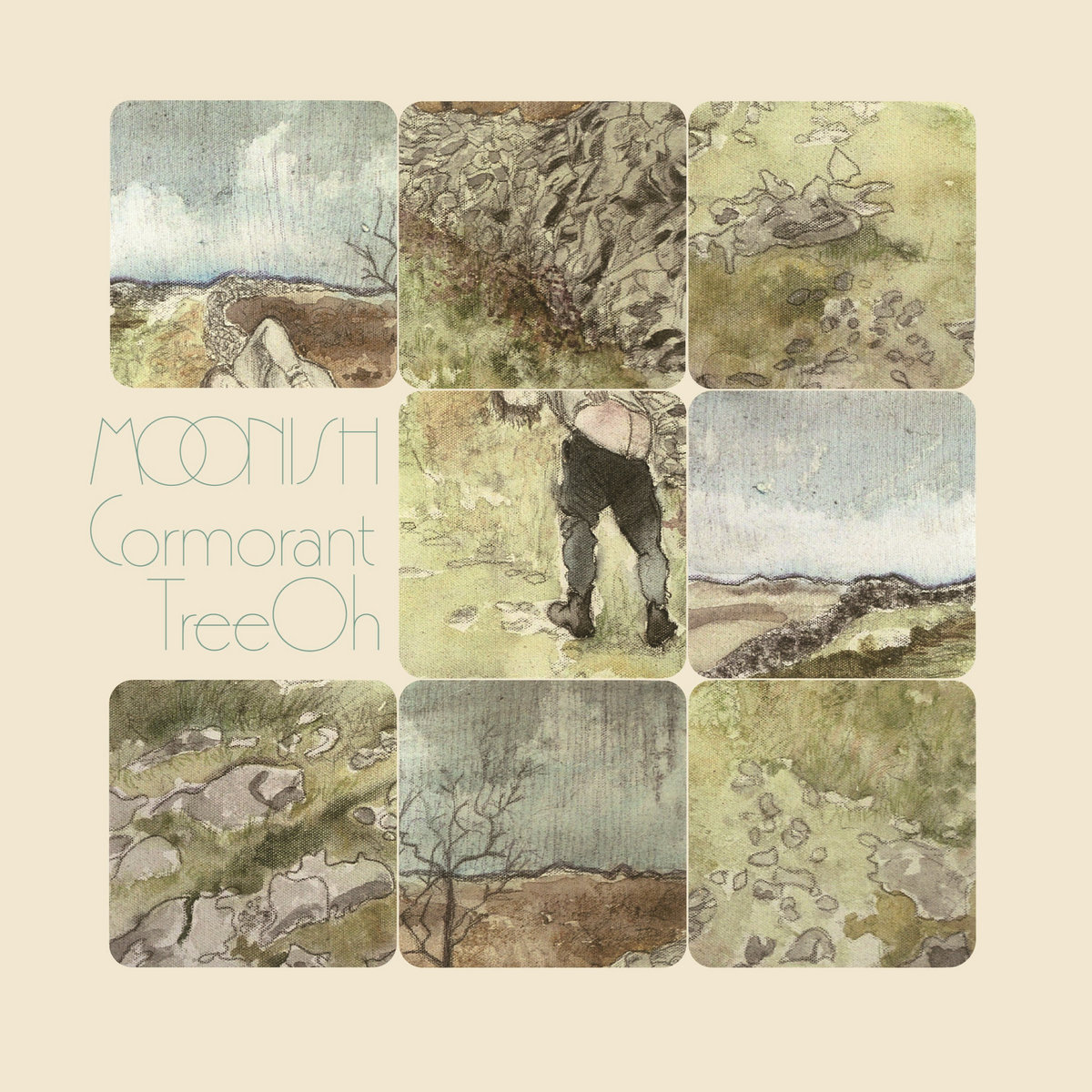
Cormorant Tree Oh Terror Of The Countryside (from Moonish)

You know the way all Indian actors have Khan as their surname but claim not to be related to each other? In Ireland it is like that with women making oddball electronic music except they are called Keane and not Khan. Here we have a track from Cormorant Tree Oh, the trading name of Mary Keane, who makes music that uses electronics a bit but also various acoustic instruments as well as her voice. I think she is such an amazing artist that I was almost loth to include a track by her on this compilation for fear that some of my less house-trained buds would respond with a "what's this shite?" comment about her tune.

Souterrains Dead & Gone (from Souterrains)

This ties in with an art project about climate change and stuff. Here we have what is meant to be a tune made by someone in the future as they travel across the chain of islands and swamps that sit where Ireland used to be.

Not on Spotify.

Ian Lynch Máirseáil Chrapchosach (from All You Need Is Death OST)

Maybe you have seen the film All You Need Is Death in which case you will know what this is like. If not it I can reveal that it is droney folky possibly electronic music.

The Unthanks Dear Companions (from In Winter)

This combines Becky Unthanks' lyrics to a traditional American tune. This is one I know from singing it at Unthanks singing weekends and (spoiler) it does go a bit singing weekend towards the end.

Mani

Farewell to Mani of the Stone Roses, Primal Scream and other outfits. I saw him live a few times with the Primals but also more notably with punk supergroup Mad For The Racket (also featuring Wayne Kramer, Clem Burke and Brian James, all now also deceased). Onstage he always looked like he was having the absolute time of his life; maybe this was stagecraft but his enthusiasm was always infectious.

While on a long journey to Glasgow (of which more later) I took the opportunity to listen to all the albums I have with Mani playing on them: the Stone Roses' first album and Primal Scream's Vanishing Point & XTRMNTR. Fucking hell, the Stone Roses' first album is amazing. I'm not saying anything new here but it seems like one of those records where everything comes together. Mani's playing is incredible but it's such a great group effort where everyone seems to be on top of their game. I must admit though, I did get a bit teary when 'Made of Stone' came on.

Vanishing Point was the Primals' comeback album after the still un-rehabilitated Give Out But Don't Give Up. And you know what? It's OK rather than brilliant. 'Kowalski' is great but I'm not sure it would be so great if the bassline hadn't been lifted from a Funkadelic track and the rest of the album is fine to listen to without ascending any significant heights. XTRMNTR though is a real classic, feeling like Bobby Gillespie has now recruited enough good musicians from other bands that they can spark off each other and produce great music. Mani's bass is all over it but it's a true group effort and one I'll never stop listening to.

I'm now curious about Freebase, the bassist supergroup featuring Mani, Andy Rourke and Peter Hook. I really hope they have a recording of Spinal Tap's 'Big Bottom'.

image:

Mani performing with Primal Scream in 2009 (Wikipedia)

Saturday, January 03, 2026

My Bloody Valentine play Dublin

My Bloody Valentine went on tour and played a load of gigs, including here in Dublin. They also played a notionally secret warm-up gig a few days before the real one here. And I didn't go to any of them. My reasoning was two-fold. Firstly, the not-secret gig was in the Point (known to bootlickers as the 3Arena), Dublin's largest indoor venue, and not somewhere I generally like to see my kind of music, as it is just too big. The other reason was that when I saw MBV some years back at All Tomorrow's Parties I thought they were a bit dull: too static onstage and playing in a rather formulaic manner, the 'You Made Me Realise' holocaust now just coming across as a box-ticking exercise and not something even remotely transgressive or challenging. I still love them on record though, so I did feel a slight twinge of FOMO jealousy as people were heading off to the secret warm-up gig.

It is strange though how popular MBV have become in the years since they were originally active. They never played venues as large as they do now in their heyday. So who is going to see them? Have they picked up loads of fans from the young people in the thirty years or so since they first went on hiatus? Or have loads of people my age who never liked them back then now been converted to shoegaze distortion? And are MBV attendees concert-goers attending their one gig of the year, making this a nostalgia-fest akin to an ageing hipsters' version of those Oasis reunion gigs? Or are MBV attendees keeping up with the latest shoegaze developments to the extent that we can see a surge of interest in attending in February? We'll see.

On a separate note, I find myself thinking about the 2013 My Bloody Valentine album m b v.With the passage of time, is it seen as a core part of the oeuvre or has it been memory-holed as one those completely inessential albums bands sometimes feel obliged to release when they reform for some cash-in gigs? I struggle to remember much about it and it's not something that calls me to listen to it.

If you're interested, there's a pretty good recording of the main Dublin gig on the Internet Archive.

A previous MBV moan.

images

Live image (Internet Archive)

m b v (Wikipedia)

Thursday, January 01, 2026

Flashback: My 2025 Blogposts

My blogposts start life as things written for Frank's APA (the amateur press association for people who like music). I actually write quite a lot for that august journal, much of which fails to make it onto this blog for various reasons. Some of it is too conversational, making sense in the pages of the APA but not being something anyone would want to read online (although going by the stats on this blog's readership, what I post is also not in tune with the reading preferences of the online world). And some of it I never get round to revising and formatting for the blog because I am a procrastinating slackass. So as it turned out, I did not make too many blogposts last year, but here they all are again.

Music in Film 01: The Zone of Interest, Perfect Days, and others: I talk about some films I saw in 2024, focussing to some extent on their musical content. Some of the films are discussed very briefly.

Music in Film 02: All You Need Is Death, Eno, The Colour of Pomegranates, Portishead, Lone Star: More fairly short notes on films seen in 2024 that featured music.

Music in Film 03: Star Wars, The Long Goodbye, Soundtrack to a Coup d’Etat: More films with music (including the very music-focussed Soundtrack to a Coup d’Etat). Post features the celebrated Long Goodbye cat scene.

2024: My Favourite New Songs: I present a list of my favourite new tunes of 2024, with a link to a Spotify playlist that features some of them.

2024: My Favourite Newly Discovered Old Songs: A list of great old tunes I heard for the first time in 2024, also with a link to an almost complete Spotify playlist.

2024: My Favourite New Films: The new films I liked the most in 2024.

2024: My Favourite Newly Discovered Old Films: The old films I liked the best in 2024.

2024: My Favourite Theatrical Productions: Still looking back on 2024, here are the best theatrical productions I saw in that year (which I think might also be all the theatrical productions I saw).

2024: My Favourite Audio Dramas: BBC radio dramas old and new that I enjoyed in 2024.

What have I nominated for the 2025 Hugo Awards?: Things I nominated for the 2025 Hugo Awards, many of which failed to make the ballot due to biased political voting and an impartial application of the so-called "rules".

The films of David Lynch: a definitive ranking: I appeared on a David Lynch panel at Eastercon, which means I am officially an expert on the popular filmmaker. Here I objectively rank the great man's films. My ordering may surprise you.

Gamelan Corner: Accumulation: I wrote about an American gamelan piece I was trying to play in our Gamelan class.

Troubled Songs: Music of the Northern Ireland Conflict: I put together a compilation of songs dealing with the Northern Ireland Troubles and used them as a way of presenting a history of that unpleasant conflict. This post got a lot of traction thanks to a well-connected friend sharing a link to it, replies to which revealed that there are a lot of people out there who like The Cranberries.

A Scottish Gamelan Retreat: I travelled to a remote Scottish location to spend a week playing gamelan music. This was a key 2025 event for me and I am pleased with how this write-up of it came out.

Live: Gibby Haynes plays the hits of the Butthole Surfers (with The Scott Thunes Institute of Musical Excellence and Evicshen): Gibby Haynes is or was in popular Texan band The Butthole Surfers and this was my account of seeing him play their songs live with a bunch of kids as his backing band and a whip-wielding lady as his support act.

And that's it. I'll try to do more blog posts in 2026. Judgement

Monday, October 20, 2025

Live: Gibby Haynes plays the hits of the Butthole Surfers (with The Scott Thunes Institute of Musical Excellence and Evicshen)

Gibby Haynes used to be in the band The Butthole Surfers. Or maybe he still is. The billing for this gig promised that he would be playing the hits of The Butthole Surfers, a bold claim as I was unaware that they had any. I was in two minds about going, as I am not the world's biggest fan of his band, but a gap came up in my schedule and I found myself buying a ticket after remembering that it's better to regret something you have done than to regret something you haven't done.

The concert was on in a venue called Opium, which used to called The Village and before that the Mean Fiddler. It's not enormous and has strange layout issues of a kind that are not uncommon in Dublin venues. As I made my way up to the auditorium I could hear the sounds of the B-52s' "Rock Lobster" and assumed it was a DJ playing the tune, but arrival revealed that it was actually a band onstage playing it. And the band were all teenagers. And there were loads of them. It turned out they were playing a set of punk and new wave covers, and that after each song half the players changed instruments and the other half left the stage to be replaced for the next song by another cohort of kids. And they were all hyper-talented and had amazing stage presence yet somehow lacked the annoying precociousness that usually leads to youth performers earning a clip round the ear and a snapped "Isn't it past your bed time?". Just to pick one girl to give a bit of flavour to the way all of them worked, she started off by singing the Patti Smith Group "Gloria", then she sang "Holiday to Cambodia" while playing bass (or was it guitar?), and then she played drums on various tunes. Other band members had similar trajectories.

I was sorry when they left the stage, kicking myself for not getting down earlier. Investigation revealed their identity, for these talented youngsters were from the Scott Thunes Institute of Musical Excellence, some class of rock school put together by a musician who had played with Frank Zappa.

The Scott Thunes Institute of Musical Excellence were followed by Evicshen. Now before I arrived I knew nothing about Evicshen bar the name, but because I had a vague recollection of having heard it before somewhere I thought that he/she/they must be some class of local act. I was wrong. Evicshen is actually a woman from the United States who makes electronic music, but more music of the weirdo experimental noise variety than the pulsating disco beats variety. Also there was a very performative aspect to her, ah, performance, with Ms Evicshen moving through the crowd at least twice, climbing up on her table of kit repeatedly, bringing the table down into the audience, and generally producing her tunes from physical actions that wouldn't normally be thought of as musical inputs (a highlight: when she brushed her hair with a miced-up comb). She remained me a bit of my vague memories of Eartheater at Le Guess Who, except without making me feel like I was attending some sleazy voyeuristic event. Evicshen

For some audience members the most memorable bit of Evicshen's set would have come at the end, when she was working at her table in the audience and then produced a whip and told everyone to get back before she started cracking it without too much concern about health and safety. I overheard one guy saying that she got him on the head, but he didn't seem too bothered by the experience.

And then Gibby Haynes himself. And his backing band, who were… the Scott Thunes Institute of Musical Excellence! Hurrah. As expected, Haynes came across as a bit of an oddball character, albeit a bit less of a sad case than might be expected from someone who caned it through the 1980s and 1990s as much as he did. He adopted a somewhat adversarial relationship with the audience (favourite moment perhaps being when he called out to some guy, "You there! Baldy! What's your name? [pause] I love you guys.") and the venue (calling the lack of an obvious sound guy looking after onstage levels "retarded" and then being shocked at himself for using such a problematic term). In fairness the adversarial relationship with the audience might have been somewhat justified, as there were some odd characters among the punters. I'm thinking in particular of the red-haired beardy guy who kept trying to climb onstage, to kiss Haynes and to make him accept the CD he was proffering. Haynes did at one stage have a huddle with the kids and then announced: "We've had a band confab and concluded that the red haired guy is a dick". Later he said "I'm going to wake up tomorrow and go into the bathroom and when I look in the mirror I'm gonna see that guy's face looking back at me". Fortunately it never quite reached the point where the bouncers had to be called in to chuck out the redhead but it did come close.

I did also like when Haynes addressed the somewhat strange incongruity of someone with his debauched and bacchanalian reputation playing with a load of teenagers. "It's great playing with these kids, because I just love kids. [crowd noise] Jesus, I said I love kids, not that I want to fuck 'em. You sick bastards". Another odd thing about Gibby Haynes is that he looks a bit like popular comedian Ed Byrne would look if he was a bit older and had spent his youth devouring drøgs while setting fire to himself at gigs. Gibby Haynes

Oh yeah music. Well Haynes sang or did vocal stuff and the kids played the instruments. Sometimes he used some kind of device to distort his voice. He said that he had brought an electronic instrument over from the USA for the tour but discovered the hard way that European voltage is different. And my status as a Butthole Surfers dilettante was revealed by my only recognising one song ("Sweatloaf", performed by the kids with synchronised leg kicks), but it's possible that other tunes from Locust Abortion Technician were played. I particularly like the songs (which admittedly was most of them) that had two drummer action from the kids, as the one thing that would instantly make any band better is having two drummers (the two drummer thing was a feature of classic era Butthole Surfers). They didn't play "22 going on 23", my favourite Butthole Surfers song, but that might have been a bit much for the young musicians. And some of the songs also had bits of "Careless Whisper" or "Just Dropped In To See What Condition My Condition Was In" mixed into them for no obvious reason.

And then the show was over. The band threw setlists into the crowd, some in the form of paper aeroplanes. They threw some t-shirts into the crowd also, perhaps because they couldn't be arsed selling them or bringing them home. I didn't see any sign of a merch stand.

It was all very strange, but not in the way I was expecting. And I did find myself wondering if the Butthole Surfers were a strange precursor of Ween.

Sunday, October 19, 2025

A Scottish Gamelan Retreat

I have been taking classes in Javanese gamelan for some years now. This year as summer turned to autumn I found myself in a remote location in the north west of Scotland attending a retreat centred on the popular Indonesian music. This was in Poolewe, a village that sits where the Ewe river flows into Loch Ewe. For complicated reasons Poolewe hosts a gamelan set and a gamelan academic who has pitched up in the area runs a local gamelan group. She put the word out on the gamelan retreat to her various contacts in that world, which included the director of our gamelan class in the National Concert Hall, and somehow I was the only person in Dublin who signed up to attend.

I am a great believer in slow travel, so instead of flying I opted to make my way to Poolewe by surface travel, taking the train to Belfast and then on to Inverness by ferry, connecting bus and train (the combined sail rail ticket making this a very affordable option). The small Friday evening train to Inverness was surprisingly quiet and I enjoyed looking out the window at fields being encroached on by deer and rabbits.

I could have stayed overnight in Inverness and then gone on to Poolewe the next day but I opted to spend two nights in that town or city so that I could dip my toe into what it had to offer. The main thing I did there was visit the nearby Culloden battle site. As you know, this was where in 1746 the Hanoverian army of the Duke of Cumberland smashed the Jacobite army of Bonnie Prince Charlie, bringing an end to Jacobitism as a serious political cause and accelerating non-ideal change in the Scottish Highlands. In retrospect everyone loves the Jacobites so their defeat at Culloden is generally seen as a Bad Thing. You can stroll around the battle site for free but it is worth paying to visit the museum and paying a little bit extra again for a guided tour of the site. Our tour guide began by saying that he was no expert in the historical period but then went on to deliver a pithy but impressive summary of the odd politics of the time and the course of the conflict up to and following Culloden. Military history weirdoes like myself enjoyed the description of the battle tactics used by the respective armies and I was particularly struck by how the Highlanders in the Jacobite army were a highly disciplined fighting force and not the barbarian wildmen they are sometimes painted as by their supporters and opponents. Fanciful marker

Culloden is a bleak site and there is something quite affecting about the various mounds marking mass graves of Jacobite dead that abound on it. Visiting it did make me want to read more about both the 1745 Jacobite rebellion and the consequences that flowed from it, including the Clearances. It was only the fact that my to-read pile is already enormous that stopped me picking up a load of books in the gift shop, although I did at least acquire a small bottle of Culloden single malt whisky. Mass grave

Back in Inverness I picked up another bottle of whisky (my beloved's favourite, Benromach) and had a look at the famously enormous second hand bookshop Leakey's, but did not buy anything due to decision paralysis and not being on the hunt for anything in particular.

By now you might be wondering whether this travelogue will at any point feature any actual gamelan retreat action. Rest assured that I will soon be turning to the Javanese music, as the next day saw me leaving Inverness to head first north and then west on the Kyle of Lochalsh railway line, which brought me to Achnasheen. It was a small train of only two or so carriages and I knew there were several other gamelaners onboard. I was tempted to march through the train making bonang noises to see if I could sweat them out but I decided against it, partly out of shyness and partly because I reckoned I would probably be seeing enough of them over the coming week so perhaps it would be best not to peak too soon. At Achnasheen we were the only people who alighted so we soon made each other's acquaintances (apart from me, two Americans who had travelled all the way from Kentucky, and an Indonesian who had come all the way from Glasgow). We were met by a man who introduced himself as Mal and offered us some coffee from a flask with the option of pouring in some single malt whisky ("It's only Jura") to off the edge. I was the only one who partook. We learned that although Mal was not a gamelaner himself but his wife/partner was and they were going to be putting up some of the visitors. He drove us to Poolewe and there we met all the others. Gamelan practice

But who were these attendees? Let me divide them into four categories. First of all there were music academics (broadly defined): people who play gamelan at an advanced level, have perhaps been to Java, and possibly also compose music for gamelan. Most of these people have spent some time in York, which seems to be ground zero for academic gamelan in the UK. The second set of people were members of Gamelan Naga Mas, a Glasgow-based community gamelan group. Some of these had been playing gamelan for a long time, some for shorter periods, and they had an appealing range of abilities for someone like me whose playing is a bit limited. The third category comprised local gamelan players. There weren't too many of them and their life commitments meant they weren't giving over all their time to the retreat, which meant I wasn't living in their pockets like I was with the others. However, quite a few of the locals were generously putting up attendees in their homes, so if I had been staying with them I would have been seeing a lot more of them (I and two others were staying in a holiday cottage that the local organiser had somehow got access to but I think pretty much everyone else was staying in someone's home). The fourth category was made up of randomers who had shown up on an "I'll give it a go!" basis, but this was basically a one-person category and that one person was me. I was such an outlier that one of the Glaswegians assumed I was some kind of music academic because I had traveled to the event and wasn't in their group.

I am a socially awkward person who normally avoids occasions where I have to interact with people I don't know, but I had no fears ahead of the gamelan retreat. My sense was that it would be like an Unthanks singing weekend, with the attendees all friendly people with a shared interest. And so it was. Despite our different backgrounds and mix of prior acquaintances we gelled well together as a group and it was hanging out with all these lovely people that really made the week for me.

But what did we actually do? Well each day we had two sessions playing gamelan. These mostly saw us playing pieces for which scores had been printed, but we did also did a bit of improvised playing (something the Glasgow gamelan people are used to but which was new to me) and playing on some pieces where we learned off the score (or in my case sneakily wrote down the notes in a book). People swapped around instruments so they could try ones they weren't used to at home. Because I was staying in walking distance of the gamelan house, I kept finding myself staying on for an extra late night session with some of the advanced players who were also staying in the vicinity and had their own pieces they wanted to experiment with. This involved some playing above my pay grade and I really hope I didn't disgrace myself.

I did find playing with different people to my Dublin gamelan buds interesting, as it gave a sense of how our default ways of doing things are not everyones. Traditional gamelan pieces tend to start with a bukå, a short introduction played on one instrument, and in Dublin they are always played on the bonang (small-ish upside down pots), but at Poolewe the bukås were sometimes played on bonang but sometimes instead on the rebab, a stringed instrument. I was also struck by how overfamiliar I had become with the way Peter Moran, our group leader, uses drum cues to flag transitions in pieces. In Poolewe transitions were sometimes marked by different drum cues to the ones I was used to or by cues from different instruments entirely, which led to quite a few missed transitions from dopey me.

One other difference to what I am used to is that we played most of the Javanese pieces in the Surakarta style. The two big centres of Javanese gamelan are Surakarta (often referred to as Solo) and Yogyakarta (often referred to as Jogja). My understanding is that these broadly share the same repertoire but they do some things a bit differently. I think Solo style might be a bit more common in the West, for reasons that are unclear to me. But although the Glaswegians and the Poolewe people were used to primarily playing Solo style, my class in Dublin hews to the Jogja tradition; the fact that our gamelan set was a gift to the National Concert Hall from the Sultan of Yogyakarta is probably a factor here.

Most of the time I would not be able to tell you what the difference is between Solo and Jogja gamelan. However, one thing came up in Poolewe that provided a clear contrast between Solo and Jogja playing. Bear with me, this is a bit involved. There is gamelan instrument called the peking which is played with a little hammer. It has the same notes as the balungan instruments but it played more quickly, with the peking player doing two or sometimes four notes for every one that the balungan players do, with every second peking note lining up with the balungan.

In Jogja-style playing the peking players anticipate the notes of the balungan players. If the balungan players were playing 2 3 5 6, the peking player would play 2 2 3 3 5 5 6 6, with the second of each pair of notes lining up with balungan players hitting the same note.

In Solo-style playing, the peking players play after the balungan notes. So again if the balungan players are hitting 2 3 5 6, the peking player will still be playing 2 2 3 3 5 5 6 6, but it will be the first of each pair of notes that lines up with the balungan.

I don't want to go down the road of saying that either the Solo or Jogja styles are objectively better but to me the Solo way of playing peking is unnatural and wrong. A really big thing with gamelan is that it is end-weighted, with people playing towards where the piece (or a sub-unit of a piece) ends. That all breaks down if you are having an instrument that plays echoes of a note in a line and I can see why some have suggested that a gamelan jihad might be needed to bring Surakarta back to a more orthodox path. Artist at work

That aside, I should also pay my respects to the instruments we were playing on. Most gamelan sets have male names, but the Poolewe set goes by Nyai Cabe Rawit (Madam Hot Chilli). The instruments are bronze and hail from central Java. Ginevra (one of the three event organisers and the Poolewe gamelan organiser) said that they are very old and have been through various owners before beginning their temporary residence in Poolewe. If I remember correctly she said that the bonangs in particular are over a hundred years old (I don't know if that means that the whole set was put together in stages) and should be played carefully as they had suffered some wear and tear. Poolewe also has only half the instruments that would make up a full set, as Madam Hot Chilli has just the instruments for the slendro tuning (the 5 point scale that runs from 1 to 6 with no 4, where the balungan instruments also have a low 6 below the 1 and a high 1 above the high 6), with the instruments for the 7 point pelog scale being mysteriously absent.

(If you are finding all these references to gamelan terms like balungan and so on confusing, have a look at my attempt to explain some basic gamelan concepts) Dolmen or glacial deposit?

We did finish our week by playing a concert, but it wasn't all gamelan all the time as we had either the morning or afternoon each day for non-gamelan activities. People could branch off on their own (I did one day and regretted it) but mostly we stuck together. Twice I accompanied other people to the beach, with foolhardy gamelaners braving the water and going swimming or even snorkelling (in fairness they did have wetsuits but even so this did seem a bit on the crazy side). On another occasion I accompanied a York gamelaner on a trip to Gairloch, where we visited the local museum (built in the site of a nuclear observation post) and then explored the hills above the village, where there are fascinating but mysterious archaeological remains and boulders perched on the edge of mountain sides that look like they could roll down at any moment. I also went to the Inverewe Gardens, which are some botanical gardens that someone set up in the past. They were maybe worth seeing but not worth going to see (although I would perhaps have got more from them if I had more than a cursory interest in gardening and botany) and I was a bit envious of the others who had just gone on a long walk in nearby woods. Wet Valley

Our concert was meant to be in a village hall in Gairloch but it ended up being cancelled for various reasons, which saved us having to move all the instruments over there (moving gamelan instruments is a complete pain and might perhaps be the reason why gamelan has not actually conquered the world). And also one of our group developed a bit of a chill after some sea swimming and ended up testing positive for covid. So we ended up playing a concert basically for ourselves although we did have a couple of other people attending (basically spouses and partners of local gamelaners), although the performance was recorded and is due to appear on the internet at some point. Despite the fact that we were playing to a handful of people I still found myself gripped by pre-concert nerves, but I think this was because the real concert fear is disgracing yourself in front of your peers. Set list

Here's a screenshot of our concert's setlist. The items with "piece" in their title were non-traditional pieces that were either works-in-progress (hence their lack of titles) or were semi-improvised pieces that had emerged during the week. The others were Javanese gamelan pieces, with the exception of "Ca' the Yowes".

Going through the pieces in order, "Baitå Kandas" is a lancaran, which for me is the default type of Javanese piece. It starts off repeating a straightforward four-line pattern but then things get a bit crazy when some of the balungan players (but not me thank God) started playing a double speed variation pattern called a mlaku. The second piece, "Wilujeng", is a ladrang, which is a more stately type of piece. I discovered at the gamelan retreat that this is probably the most played piece in the Javanese repertoire, as it is traditionally played at the start of concerts as the audience enters the venue and is apparently one of the first tunes people tend to learn when they start gamelan. I had however never played it before, which astonished some of the other gamelaners. It's an easy enough piece to play but it did feature some transitions from the main bit to a variation called a ngelik that featured singing. The transitions could be a bit tricky.

"Will's Piece" was our first foray into non-traditional music, a newly composed work in progress from William Barnardo. It had an entertaining structure, in that everyone played the same notes in the same sequence but at different speeds. So some players bashed them out at one speed while others did so twice as fast and another set of players were four times as fast. And everyone kept repeating until the piece ends. I'm looking forward to hearing a recording of this as it was a lot of fun to play but while in the midst of it you could easily lose the big picture of how it all locked together. I did find both in rehearsals and at the concert that when repeating I had a tendency to miss the first line and start on the second before realising my mistake and stopping but being unable to find my way back into where I should be. I don't know if this recurring mistake on my part was straightforwardly down to my being an idiot or if the way the piece was presented on the page tricked my eye into jumping to the wrong line. Nevertheless I did really like playing it and there was a lot of fun to be had playing it when everyone lines up on its last note.

"Grompol Mataram" was another ladrang and not particularly challenging from my point of view (it may have been for other people or maybe I was playing so badly that I was slipping into false confidence). And "Pariwisåtå" was another ladrang but with a good bit of singing about how great it is to be going on holidays in Indonesia and visiting all the different islands. At one stage I was down to sing on this rather than play but I was finding it a bit of a struggle and wasn't really getting on with the off-beat clapping the singers have to do at some points, so I slunk off to play a balungan instrument. This piece again featured a lot of stressful transitions where it speeded up and slowed down to facilitate singing and to facilitate different types of singing, and then it also had a transition straight into "John's Piece", which was another work in progress from John Jacobs. This was a kind of traditional/modern hybrid. It had a balungan line that felt very traditional and like something that could have leapt from a Javanese lancaran, but over it we had one musician playing a slide trumpet and another a trombone. Gamelan and western instruments use different scales which makes it hard to combine them, but with slide instruments it is possible for the brass players to move to Javanese notes. I think what made this piece so enjoyable to play was that it was loud and fast, with a frenetic and kinetic quality that propelled the players through to the finale. I look forward to hearing a recording of this. The little goat

The next thing on the programme is listed as "Vanya's Piece" but actually it was three pieces, all improvisations to poetry written during the retreat by Vanya Indira, one of the Glasgow gamelaners. With all three of them the improvisation was rehearsed and to some extent guided so that we weren't flying blind in the concert. Vanya's first poem talked of walking on the seashore and for this one we played the instruments with our fingers, trying to create a shimmering sound that evoked the sound of the sea. I think this worked very well but it gained an added poignancy when Vanya told us that the poem's lines about feeling a sense of displacement and disconnection were not dealing with a general sense of distance from faraway loved ones but a feeling of concern from the relative safety of Scotland regarding loved ones in Indonesia, where the country has been gripped by unrest against the authoritarian turn of the current government. The second piece had words talking about a naughty yet loveable goat who keeps getting into scrapes, and for this I tried to evoke a little goat jumping around on rocks by playing notes that sounded like one of the cloven-hoofed animals scampering about. Because I am a bit slow it took me a while to register that the goat in the poem is a metaphor and the goat is actually a person, in fact one of the Glasgow gamelan group who is prone to climbing on things and behaving in a manner that is not always the most sensible but yet not un-endearing. And then the last poem was another poignant one about distance and separation with a more romantic-adjacent theme that I tried to evoke when playing. I'm curious as to all three of these will sound on our recording but they were very enjoyable to play on.

And then "Ca' the Yowes". This saw some of our number sing this Scottish traditional setting to music of a Robbie Burns poem (which may actually have been written by Isabel Pagan). This is in the Scots dialect and so on the face of it is largely incomprehensible to anglophones, except that there is something about the tune that makes it very evocative of romantic yearning. In our performance some people sang it, led by one of the Glasgow gamelaners, while the musicians either played a very simple descending and ascending pattern or semi-improvised variations on it that never got over fussy. I think this might have been my favourite of all the pieces we played over the week and I found it extremely poignant. As I said, it was very evocative of romantic yearning with its lyrics about snuggling up with a "bonnie dearie", and perhaps the poignancy for me came from being far away from my beloved and, unlike Burns, not given to extracurricular snuggling.. Trombone action

But then we had "Simon's Piece", another work in progress, this time composed by J Simon van der Walt. This was deliberately very far removed from the traditional Javanese structures and featured both slide trumpet and electronics as well as gamelan instruments. I have heard a recording of this and it sounds pretty deranged, while actually playing it felt like you were in the heart of the maelstrom. It begins with some of the balungan players hitting repeated low 6 notes while everyone else is also playing low 6 notes at any speed they like so long as they are faster. Meanwhile the electronics are cooking up what sounds like the entire BBC Radiophonic Workshop and Simon and John Jacobs were blasting out something on the brass. Then on a signal we moved from low 6 to 1 and then to 2 before stopping playing and instead vocalising before it all comes to a halt. It was so much fun to play on and I can only wonder what it sounds like to listen to. There is a recording of it here, although the electronics seemed more intense in the room.

The last piece in our concert was "Subåkaståwå", a ketawang. This was a gentle Javanese piece ideal for settling the horses after Simon's onslaught and bringing the concert to a quiet end. I feel however that I should mention one piece we played casually later, a ladrang called "Mugirahayu". The real USP of this one for me was the vocal line, primarily or solely sung by Ginevra House, the Poolewe gamelan organiser. I can be a bit unimpressed by the singing in gamelan, particularly when done by westerners: it's not what draws people into gamelan and often sounds quite odd, and not in a good way. But "Mugirahayu" was a wonderfully stately tune that went so well with Ginevra's beautiful singing that I am sorry we did not actually finish with it.

After that it's all anticlimactic journeying home. Will gave me a lift to Inverness on which we had fascinating conversations about various things and then I took the train to Glasgow with big plans to spend the journey admiring the scenery that were quashed by my somehow ending up in an aisle seat surrounded by some boisterous older ladies. I did at least manage to finish my reading of Octavia Butler's cheerful Parable of the Sower. And then after spending a night in Glasgow it was on home to Dublin by bus and train.

The final verdict: the gamelan retreat was one of the most enjoyable things I have done with my time. I'm not sure if it has seen my gamelan playing improve, as I still feel like I am terrible at things like playing offbeats or anything to do with bonangs. But I felt like I was able to pick up pieces quickly and not get lost as readily as I have done at home. So perhaps I have got better or perhaps I have fallen into delusional confidence. The real pay-off though was all the new friends made and the invitations to visit different gamelan groups across these islands.

I have also started thinking a bit about composing for the gamelan, in particular trying to apply semi-understood serialist principles of crazy people like Schoenberg or Boulez to the form. Lets see what unlistenable nonsense that brings us to.

More Culloden pictures: Flickr; Instagram

More Poolewe and environs pictures: Flickr; Instagram (Madam Hot Chilli), Instagram (hanging out), Instagram (on the beach), Instagram (above Gairloch)

Monday, August 04, 2025

Troubled Songs: Music of the Northern Ireland Conflict

I had the great idea of putting together a compilation of songs about the Troubles, by which I mean the violent conflict that erupted in Northern Ireland in the late 1960s and continued until the peace process of the 1990s mostly moved the conflict into the political arena. I am trying to look at the conflict through the way it was represented in song and to explore the events that inspired particular pieces of music. So I've put together slightly more than a CD's worth of tunes, which you can listen to as a playlist on Spotify or YouTube.

A word of warning: musically speaking, these songs are of variable quality and some of them are not good at all. I'm not expecting anyone to listen to these tunes over and over and feel that they have discovered some lost classics (although I think some of these songs are worthy of a wider audience). My hope more is that people will find the songs and the accompanying text an informative and interesting way of exploring these events that are now starting to recede into history.

But first a history lesson on the origins of the conflict, with the massive caveat that the historiography of the Troubles is itself a contested subject. In the 1920s Ireland was partitioned, with 26 counties becoming a self-governing free state (and later a fully independent republic), while six counties in the north east remained part of the United Kingdom as Northern Ireland, with its own devolved parliament. The Unionist-Protestant majority monopolised power in Northern Ireland, keeping the Nationalist-Catholic majority marginalised, discriminating against them in the workplace and the provision of social housing. The Irish Republican Army (IRA) launched periodic military campaigns to force the British out of the Six Counties; these proved ineffectual and by the mid-1960s the IRA had tacitly given up on the armed struggle and was devoting its efforts more towards non-violent engagement with social issues.
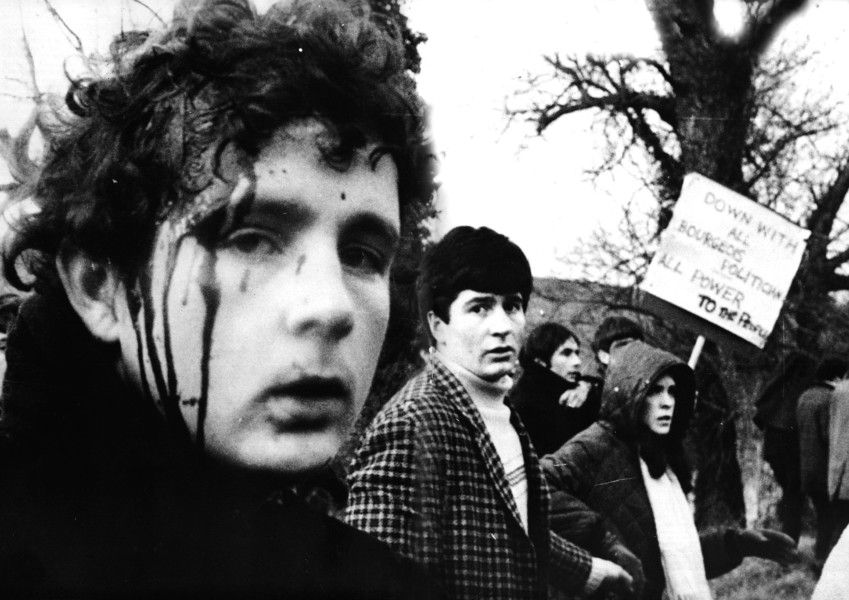
In the 1960s a new civil rights movement emerged through which members of the Catholic-Nationalist community sought greater equality in the life of Northern Ireland. Inspired by the African American civil rights movement, this campaign used sit-ins, marches and civil disobedience to advance its goals. Members of the Protestant-Unionist community were unnerved, fearing the loss of their privileges but also concerned that the civil rights movement was simply a ruse by the IRA. At the time Northern Ireland had a reformist prime minister, but he was moving too slowly to satisfy the demands of the increasingly radicalised civil rights movement while also contributing to the sense of his own Unionist community that events were spinning out of control. Loyalists (hardline Unionists) reacted violently against the civil rights movement, attacking marchers (often with the overt or tacit support of the local police). Loyalist paramilitaries launched a bombing campaign.

In August 1969 Northern Ireland exploded, with rioting and sectarian violence erupting in the towns. The police lost control and the British Army was deployed. The previously moribund IRA was revitalised, with an influx of new members initially seeking to defend their communities but then seeing the disorder as an opportunity to advance the cause of Irish unification.

That's the background for these songs. I've only picked ones from the time of the conflict (so no "A Nation Once Again", "Only Our Rivers Run Free", or "Come Out Ye Black and Tans") and I've mostly avoided ones that address the conflict so obliquely that they could be about anything (so no "Invisible Sun" or "Spirits in the Material World"). I'm presenting them chronologically so that they can bring us from the conflict's start up to the time it began to fade away.

The Barleycorn "The Men Behind the Wire" (1972)

There was a brief moment where some Catholics in Northern Ireland welcomed British troops as a more palatable alternative to the Unionist-controlled police, but the honeymoon proved short-lived. Soon the IRA and British Army were trading shots. In an effort to crush the growing IRA campaign, the authorities in 1971 introduced internment without trial, rounding up Catholics suspected of IRA involvement. This proved controversial and also ineffectual, as the authorities had no accurate list of IRA activists. This song sees The Barleycorn protest against internment with a surprisingly jaunty tune, which spent three weeks at the top of the Irish singles charts (and was more recently sung by Alan Partridge's Irish doppelgänger). The Long Kesh prison mentioned was subsequently the site of the H-Blocks, where IRA and other Republican prisoners staged the blanket and dirty protests and then in 1981 the hunger strikes, in which 10 prisoners died.
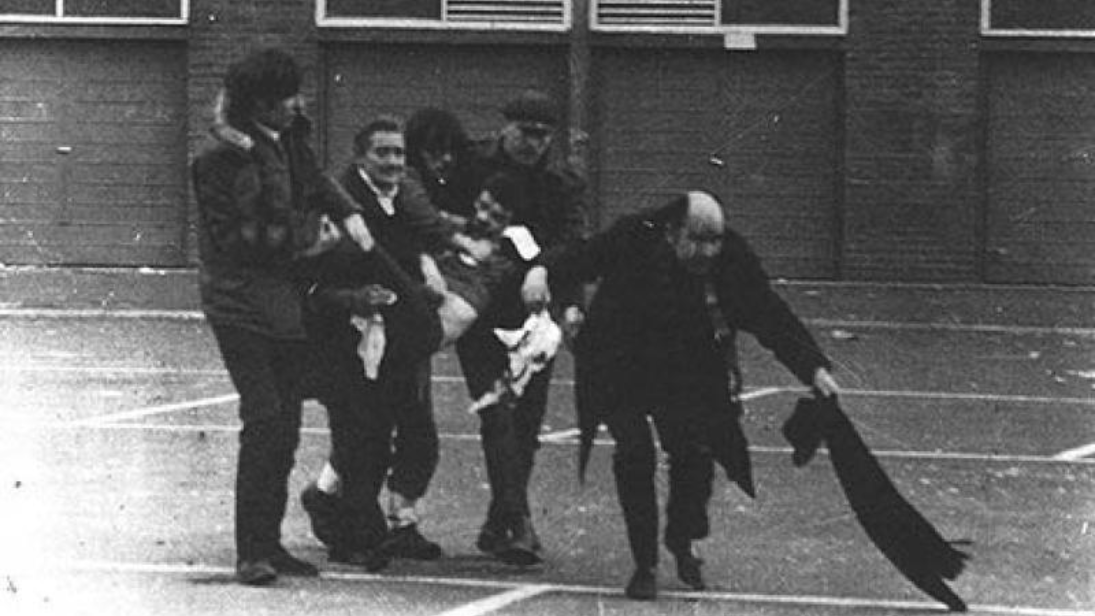
Wings "Give Ireland Back to the Irish" (1972)

On Sunday 30 January 1972 in Derry British paratroopers shot 26 unarmed men taking part in a demonstration against internment, 13 of whom died immediately with another dying later. Unsurprisingly this caused outrage and led to a surge in IRA recruitment. Paul McCartney's Wings rushed this song out as their protest against the paratroopers' actions. It is a strangely anodyne offering, failing to communicate any real sense of shock and anger at what had just happened and featuring lyrics and a tune that are all pretty fatuous. It was banned by the BBC but still made number 16 in the UK singles chart.

Plastic Ono Band "Sunday Bloody Sunday" (1972)

John Lennon also felt the need to comment on Bloody Sunday and his band released this record, which I had somehow never heard before. Lennon's solo career I mostly associate with schmaltzy piano led ballads so this groover was a pleasant surprise. Unlike McCartney's tune, this actually engages with the events of Bloody Sunday and attempts to communicate a bit more detail about the history of the conflict, albeit from a partial perspective.

The Dubliners "The Town I Loved So Well" (1973)

The Dubliners are not from Northern Ireland (the clue is in the name) but their manager Phil Coulter was a native of Derry. Coulter is often portayed as the bad guy in Irish traditional music narratives: the breadhead impressario with the ear for cheesy pop adjacent tunes and plinky piano flourishes. Yet he wrote this affecting song for The Dubliners, sung here by the legendary Luke Kelly. By now the penny was beginning to drop that the Troubles were not going away any time soon. The song nostalgically compares the pre-conflict era, warts and all, with the disconcerting present.

I'm not including any related music but I should also mention the 1975 Miami Showband massacre, whose anniversary fell a few days ago. This saw three touring musicians killed and another two left for dead by loyalist paramilitaries. Following this horrific event many bands gave up on playing gigs in Northern Ireland.

Boney M "Belfast" (1977) Boney M were a vehicle for German record producer Frank Farian. They had already had a hit with a song about Depression-era gangster Ma Baker and would go on to release one about Rasputin, so why not a disco song about the horrors of the Northern Ireland conflict? This song could really do with a spoken word breakdown explaining the Troubles or a closing explanation along the lines of "Oh, those paramilitaries" but it's still a classic and with a few lyric changes could surely become a theme song for the Belfast tourist board.

Stiff Little Fingers "Suspect Device" & "Alternative Ulster" (1978)

Anyone who has scene the brilliant film Good Vibrations will be aware that punk was a big deal in Northern Ireland, with some even claiming that punks played an important role in keeping Belfast's city centre open at a time when many were afraid to go out after dark. Stiff Little Fingers were not shy about railing against the shit situation in which they found themselves, with "Suspect Device" skewering the paramilitaries promising a bright future while "Alternative Ulster" seems more hostile to the forces of the state. These could be the two best songs in this compilation.

Gang of Four "Ether" (1979)
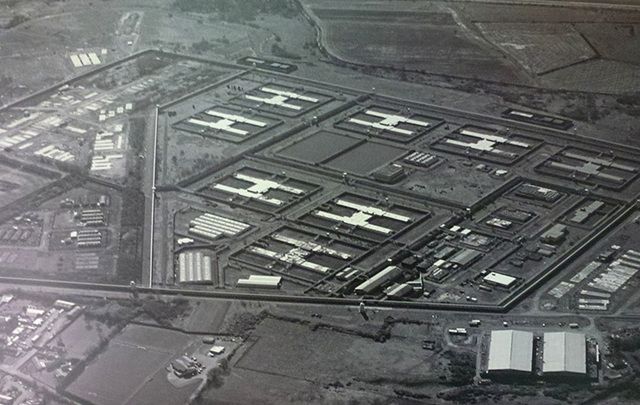
Gang of Four were one of the more political of the British post-punk bands. In this song they evoke the enhanced interrogation techniques British forces took to using on IRA suspects (techniques subsequently recognised legally as torture). The H-Blocks get another mention and the song hints at an economic reason for the British presence in Northern Ireland with its reference to possible oil reserves under Rockall, an uninhabited island north-west of Ireland whose ownership is disputed by Ireland and the United Kingdom.

Kate Bush "Army Dreamers" (1980)

The song does not mention Northern Ireland but in 1980 this was the only place where British soldiers were fighting or dying, something that was probably not lost on the half-Irish Bush.

Eric Bogle "My Youngest Son Came Home Today" (1982)

Australian folk singer Eric Bogle is best known for his anti-war songs dealing with the futility of fighting for the British Empire, notably "And the Band Played Waltzing Matilda" and "The Green Fields of France". Here he gives us an anti-war song about the Troubles, which I first heard sung by Billy Bragg. I gather this has subsequently been adopted by Irish Republicans; if so I think they understand the lyrics differently to me, as I hear the song as articulating the pointlessness of dying for the IRA.

Fun Boy Three "The More I See (The Less I Believe)" (1983) The lack of any coherent message here is what appeals to me about the lyrical content, with the vocals just enunciating a sense of "what the fuck, that shit is fucked up" while the music has an appealing post-punk oddness to it that makes me want to explore further this band's work.

U2 "Sunday Bloody Sunday" (1983)

They used to say of peak-era method actors like Marlon Brando that you might not know what they were saying, but you definitely knew what they were feeling. And so it is here with Bongo and his buds. Reputedly the song has its origins in U2 being scheduled to appear at New York's St. Patrick's Day Parade but then withdrawing on discovering that the honorary grand marshal was likely to be deceased IRA hunger striker Bobby Sands. Like Edwin Starr's "War", the song uses the classic device of combining anti-war lyrics to a martial beat.

Paul Brady "The Island" (1985)

Strabane-born Paul Brady started life as a folkie but over the years moved in a far more lucrative AOR and pop direction. This is another song about the pointlessness of the struggle, with Northern Ireland compared to Lebanon (very much the poster child at that time for countries tearing themselves apart in internecine violence), with Brady contrasting his disdain for the IRA's struggle with his longing for a bit of seashore shagging. I could probably do without the smutty content but I've always liked the piano line in this song, although some consider that the tune veers overly into schmaltz.

Spandau Ballet "Through the Barricades" (1986)

Belfast native Thomas "Kidso" Reilly worked for a number of British bands, including Altered Images, Bananarama, and Spandau Ballet. While on a trip home he was out with some friends and happened to fall foul of some British soldiers, one of whom shot him in the back, killing him (the soldier was convicted of murder but released on parole after two years). Spandau Ballet's Gary Kemp subsequently visited Kidso's grave and met his brother; while traveling through West Belfast he was shocked by the sight of "peace line" barricades that separated Catholic and Protestant areas of the city, and so came the inspiration for this song (Joan Lingard's YA novel Across the Barricades might also have played an uncredited part here). The lyrics centre on that great cliche of Northern Ireland fiction, a cross-community love affair. And for all the Yeats-quoting lyrics it is a song I am including here for its noteworthiness but not because I in any way like it. I'm not sure if it is actually bad or if it is just my youthful dislike of Spandau Ballet being impossible to shake off, but it does feel too much like a "lovely song" for me.
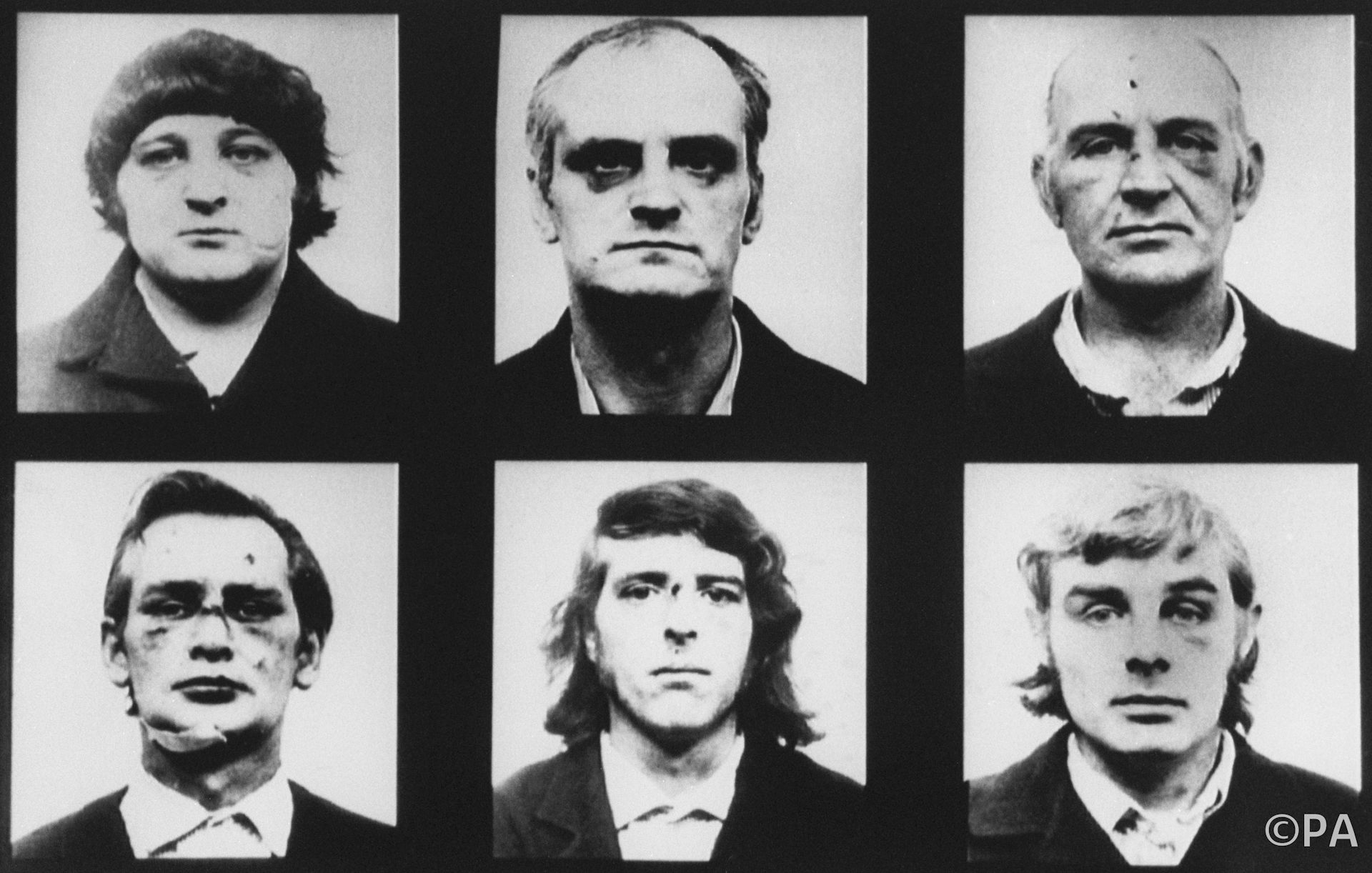
The Pogues "Streets of Sorrow/Birmingham Six" (1988)

In the first half Terry Woods sings from the point of view of someone who has had enough of Northern Ireland's political violence and is leaving, never to return. But then Shane McGowan sings of some of those who did leave, the people known as the Birmingham Six and Guildford Four, who were convicted for IRA crimes (pub bombings in Birmingham, Guildford and Woolwich that killed 29 people and injured 320) they didn't commit on the basis of confessions extracted under torture and, in the case of the Birmingham Six, deeply flawed forensic evidence. The Birmingham Six and Guildford Four were subsequently exonerated but when this song was released its subjects were still in prison.Although doubts as to the safety of their convictions were becoming more widespread, suggesting their innocence and the moral corruption of the justice institutions was still controversial, and the Shane McGowan portion of the song was effectively banned from British television.

Simple Minds "Belfast Child" (1989) The title references Belfast, but the song appears to have been inspired by the 1987 Enniskillen bombing, when the IRA killed 10 civilians and one policeman. The melody draws on the folk tune "She Moved through the Fair", while the lyrics are somewhat oblique but suggest a certain "war is bad" sentiment.

Tina Turner "The Best" (1989)

What, you may be wondering, is this song doing here? Tina Turner has no obvious link to Northern Ireland and the song's lyrics do not suggest any link to the Troubles. But somehow this song became a loyalist anthem, often played when loyalists were celebrating a release from jail or a successfully completed sectarian murder. Loyalists are often portrayed as the irredeemable bad guys of the Northern Ireland conflict, their insularity, thuggishness, reactionary far-right adjacent tendencies and fondness for their links to a country that isn't that pushed about them making it easy to dislike them. There was also their tendency to really go for it with sectarian killings of random civilians, in contrast to the other actors who made a bit more of an effort to go after enemy combatants at least some of the time. And then there is their heavy involvement in the North's drug trade. So it isn't hard to see why some might describe them as simply the best.

The Cranberries "Zombie" (1994)

One tactic the IRA became quite attached to was detonating bombs in the commercial districts of English towns and cities. In 1993 the IRA hit the Cheshire town of Warrington twice, a few weeks between each attack. The first explosion caused extensive damage but no injuries, but the bombs exploded on 20 March on a shopping street injured 56 people and killed two children (one of them just three years old). Dolores O'Riordan of the Cranberries wrote this song in response. It's easy to scoff at the song's somewhat simplistic anger but I like how the lyrics reference "The Men Behind the Wire" and I feel it does capture the pointlessness of the IRA's struggle at this time. No longer could the Republicans claim to be defending Catholic communities in Northern Ireland and their efforts were not obviously bringing a united Ireland any closer, so it was hard to see what they were still killing and dying for. To many it looked like the IRA's war had become self-perpetuating and was continuing because the organisation's cadres could not see any way of stopping that would not be an admission of failure.

In the shadows though strange things were happening. Back channel negotiations were taking place between British representatives and figures close to IRA thinking, combined with more public discussions between the Irish and British governments and different nationalist-republican political leaders in Northern Ireland. Something was going on, even if no one quite knew what.

By the time "Zombie" was released as a single the IRA had already declared a ceasefire, which lasted until January 1996 before becoming permanent in July 1997, with loyalist paramilitaries eventually following suit. The Good Friday Agreement of 1998 is seen as effectively bringing the Troubles to an end (even though the Omagh bombing later that year by dissident Republicans was the single bloodiest incident in Northern Ireland during the whole of the conflict). Since then the troops have come off the streets, the prisoners have left jail, and the gun has largely been removed from Northern Irish politics, which now revolves around a somewhat dysfunctional but non-violent enforced power-sharing arrangement.

Even so, Northern Ireland remains a divided society, with Belfast reputedly featuring more peace walls now than before the Good Friday Agreement. Northern Ireland's government regularly collapses over issues that seem pretty minor and inconsequential to outsiders. And intermittent street violence remains a thing, with loyalist mobs driving immigrants from their homes in riots a few weeks ago. But compared to the early 1970s it's all pretty quiet.

"Zombie" has had an odd afterlife, becoming a popular stadium song for sports fans from Limerick (the Cranberries' home town) and further afield.

The Young'Uns "Lyra" (2023)

The gun has largely departed from Northern Ireland's politics, but not entirely. The IRA went on ceasefire and eventually left the stage entirely, but various dissident Republican groups attempted to continue armed struggle against British rule. Their efforts have been relatively unsuccessful, although their attacks occasionally kill or injure people, mostly members of the security forces. In April 2019 during rioting in the Creggan area of Derry, dissident Republicans shot at the police and missed, but one of their bullets fatally wounded journalist Lyra McKee. Dissidents have not staged a fatal attack since then, so for now Lyra McKee remains the last person killed in the Troubles.

English folkies The Young'Uns commemorated McKee on their Tiny Notes album. Like all the Troubles' victims she deserves to be remembered as more than just a statistic, with her LGBT activism and investigative journalism making her an inspirational figure. Like the other victims of the conflict, she died far too soon. Some readers might find this song mawkish, but it brings tears to my eyes whenever I listen to it. Born in 1990, McKee came of age when the Good Friday Agreement seemed to have consigned the Troubles to the dustbin of history and looked like someone who represented Northern Ireland's future, except the past still reached out to claim her.
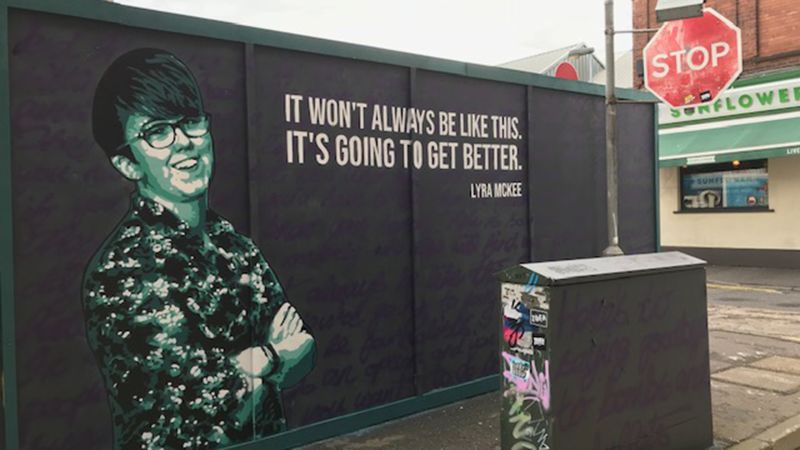
image sources:

Billy Campbell after being beaten by loyalists at Burntollet Bridge (Derry Journal: "Fifty year ago the People's Democracy organised civil rights march from Belfast to Derry bravely completed its journey")

British troops on the streets of Belfast, August 1969 (Guardian: "Paul Hill’s best photograph: the day troops arrived in Belfast, 1969")

Bloody Sunday: Father Edward Daly waves a white handkerchief as he tries to bring the fatally injured Jackie Duddy to safety (Ulster Museum: Bloody Sunday)

Miami Showband massacre aftermath (Belfast Telegraph: "The Miami Showband Massacre: 'They tried to wipe out the entire band'")

The H-Blocks (Irish Central: "Cillian Murphy, Jamie Dornan and Pierce Brosnan to star in new H-Block Jim Sheridan movie")

Bananarama at Thomas Reilly's funeral (RTÉ Archives: "Kidso Laid To Rest 1983")

Mugshots of the Birmingham Six, showing the beatings they had received after their arrests (The Conversation: "Would the Birmingham Six be victims of miscarriage of justice today?")

Loyalist mural, Belfast (The Clairmont Colleges, Digital Library)

Cupar Way peace line, Belfast (Wikipedia: "Peace Lines")

Emmalene Blake's mural for Lyra McKee, Belfast (CNN: "Belfast mural memorializes journalist Lyra McKee")